The Fascination with Cyst and Pimple Extractions: A Deep Dive into the Process and What You Need to Know
The internet is flooded with videos and images of people squeezing and popping pimples, blackheads, and cysts. These videos go viral, capturing millions of views and sparking fascination in viewers worldwide. It’s no surprise that people are drawn to the “satisfying” element of these videos. The release of pressure from a swollen bump, whether it’s a pimple, cyst, or abscess, can seem like a natural form of relief, both for the person performing the extraction and for the audience watching.
But while the appeal is undeniable, these procedures have their risks, and understanding what’s really happening beneath the skin can make all the difference in how we care for our skin. In this article, we’ll explore what’s behind the viral pimple and cyst extraction videos, the types of skin conditions involved, and the proper steps to take when faced with these skin problems.
What Is a Cyst or Pimple?
Before diving into the extraction process, it’s important to first understand what we’re dealing with. Pimples, blackheads, and cysts are all types of skin blemishes, but they have different causes and characteristics.
-
Pimples: These are typically small, red, inflamed bumps on the skin. They form when hair follicles get clogged with excess oil, dead skin cells, and bacteria. When the clogged pore becomes infected, it can swell up and turn into a pimple. Pimples are usually smaller than cysts and are commonly found on the face, back, and chest.
-
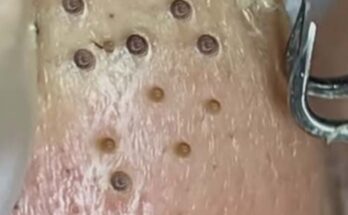
Blackheads: These are open comedones (clogged pores) filled with a mixture of dead skin cells, oil, and debris. The dark color of blackheads occurs when the clogged material is exposed to air and oxidizes. Unlike pimples, blackheads don’t usually cause inflammation.
-
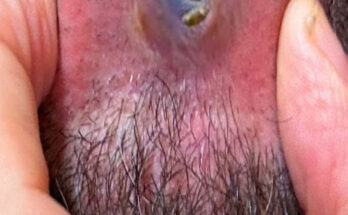
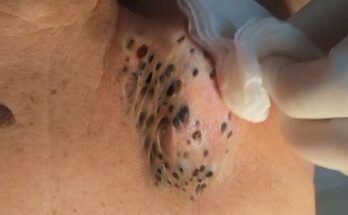
Cysts: Cysts are deeper under the skin compared to pimples and blackheads. They form when a pore or hair follicle gets blocked and infected, causing fluid or other material to fill the space. Cysts can become large, swollen, and painful, and they often need professional care to remove or drain. Unlike pimples, cysts are generally not something you should try to pop yourself.
When it comes to cysts, the contents often include a mixture of dead skin cells, keratin, and oils. The swelling and redness around a cyst are caused by inflammation and infection. Cysts can appear on any part of the body, but they are especially common on the back, face, neck, and shoulders.
Why Are Extraction Videos So Popular?
It’s hard to scroll through social media without encountering a viral pimple or cyst popping video. There’s a reason these videos captivate so many people. The phenomenon can be partly explained by the satisfaction that comes from watching something “get released” or “fixed.”
The release of pressure from an inflamed, swollen area can bring immediate relief, both for the person being treated and for the person watching. Many viewers describe a sense of satisfaction from the “popping” sound and the visible results as trapped material is forced out. This type of content triggers a visceral reaction, almost like witnessing an issue being solved in real time.
Additionally, these videos provide an almost cinematic “before and after” effect. The swollen bump is visible and alarming in the “before” stage, and once the contents are removed, the area looks cleaner and less irritated. This visual transformation can be incredibly appealing, as it provides a sense of closure or completion.
The Risks of DIY Extractions
While watching someone expertly squeeze a cyst or pimple might be satisfying, it’s important to recognize that performing these extractions at home can have serious consequences. Improper extractions, whether at home or professionally, can lead to complications such as:
-
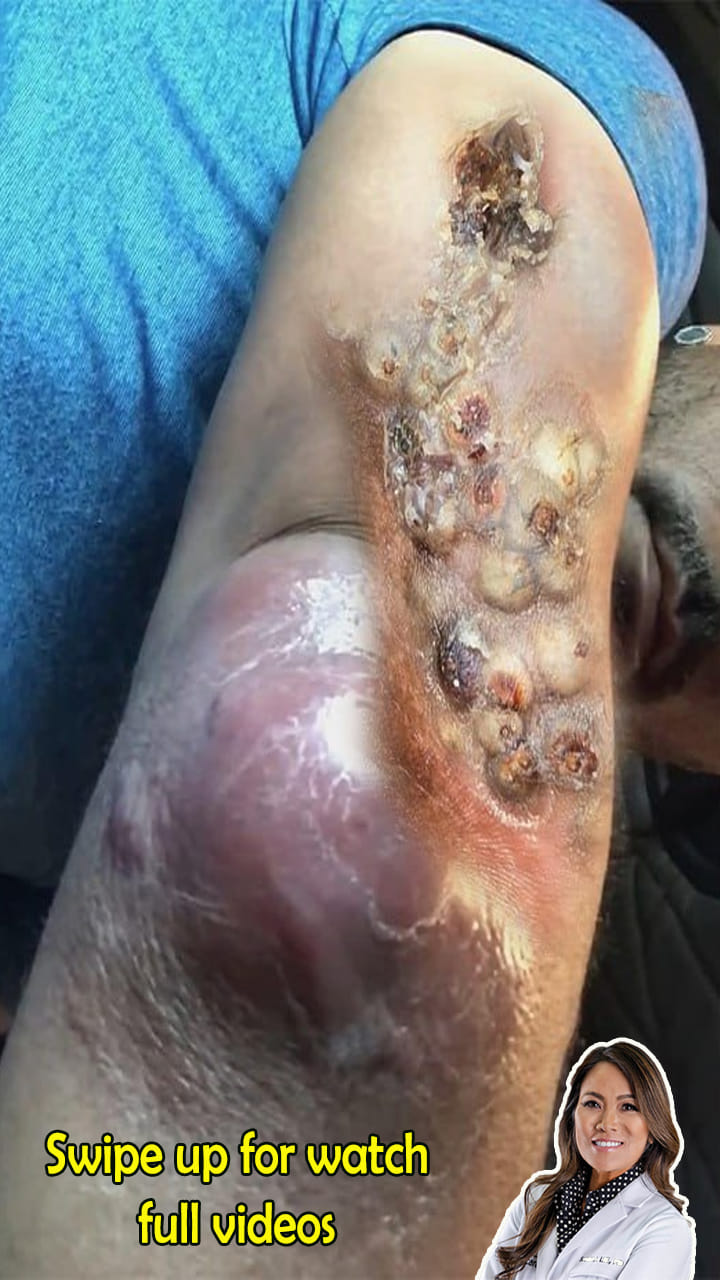
Infection: Squeezing a pimple or cyst can push bacteria deeper into the skin, worsening the infection. In some cases, this can lead to a more severe abscess that requires medical intervention.
-
Scarring: Aggressive squeezing or picking at blemishes can cause scarring. Cyst and pimple scars can last for months or even years, affecting the texture and appearance of the skin.
-
Spread of bacteria: Infected material can spread if not handled carefully, leading to further breakouts or the development of new pimples or cysts in other areas.
-
Worsening inflammation: Sometimes, squeezing a cyst or pimple can increase inflammation rather than reduce it, resulting in more swelling and redness.
While it’s tempting to tackle skin issues on your own, it is always safer to consult with a dermatologist or skincare professional who can properly treat and manage skin lesions. If you have a large cyst or painful pimple, a healthcare provider can drain it safely using sterile techniques, and they may also prescribe medications to prevent infection or reduce swelling.
How to Safely Treat Cysts and Pimples
If you are dealing with a cyst or pimple on your skin, there are safe and effective methods to treat it. Here are some tips for caring for your skin:
-
Cleanse Gently: Wash the affected area with a gentle cleanser twice a day to remove excess oil, dirt, and bacteria from the surface. Avoid harsh scrubbing, as it can irritate the skin further.
-
Use Topical Treatments: Over-the-counter treatments containing ingredients like benzoyl peroxide, salicylic acid, or sulfur can help reduce inflammation and bacteria on the skin. These ingredients are particularly effective for treating pimples and blackheads.
-
Warm Compresses for Cysts: Applying a warm compress to the affected area can help reduce swelling and may encourage the cyst to drain on its own. Simply soak a clean cloth in warm water and apply it to the area for 10-15 minutes several times a day.
-
Avoid Squeezing: While the urge to squeeze may be strong, it’s best to resist. Squeezing can damage the skin, worsen the condition, and lead to scarring. If you need professional help, make an appointment with a dermatologist who can safely extract the cyst or pimple.
-
Seek Professional Treatment: For larger cysts or painful pimples, it’s best to consult a healthcare provider. They may drain the cyst using sterile techniques, provide prescriptions for antibiotics if infection is present, or recommend treatments like cortisone injections to reduce inflammation.
-
Keep Skin Hydrated: Moisturizing is crucial to maintaining healthy skin, even if you have acne or cysts. Opt for an oil-free, non-comedogenic moisturizer that won’t clog pores.
-
Use Sunscreen: If you’re treating cysts or pimples, don’t forget to apply sunscreen. Sun exposure can irritate the skin further and may lead to post-inflammatory hyperpigmentation (dark spots) as the blemishes heal.
Conclusion
Cyst and blackhead extractions, while visually satisfying, can be risky if not handled correctly. While it’s tempting to try squeezing a pimple or cyst at home, it’s always safer to let professionals handle these procedures to avoid complications such as infection, scarring, and inflammation.
If you’re dealing with cysts, pimples, or other types of acne, it’s essential to care for your skin gently and seek professional help when necessary. With the right skincare routine, you can help prevent future breakouts and maintain healthier, clearer skin.
At the end of the day, understanding the causes and treatments for these common skin issues will help you make the best choices for your skin’s health and well-being. And while viral extraction videos may be fun to watch, remember to always prioritize safety when it comes to your skin.
About The Author