When “Just Blackheads” Aren’t So Simple
At first glance, those tiny dark spots on the skin might seem harmless—just another case of stubborn blackheads. Many people ignore them, assuming they’re nothing more than clogged pores that need a quick squeeze or scrub.
But sometimes, when these spots appear in clusters, grow larger, or become inflamed, they may be signaling something deeper happening beneath the surface. Understanding what your skin is trying to communicate can make the difference between simple skincare and addressing a more serious condition early.
Let’s break down what’s really going on, what causes these unusual clusters, and how to treat them safely and effectively.
What Are These Black Dots?
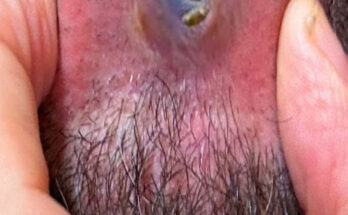
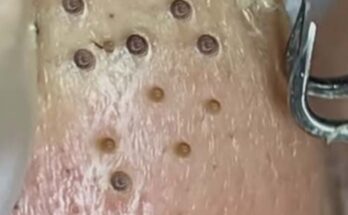
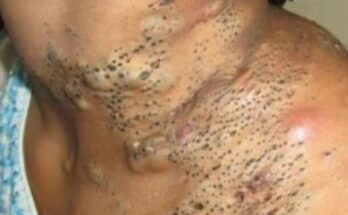
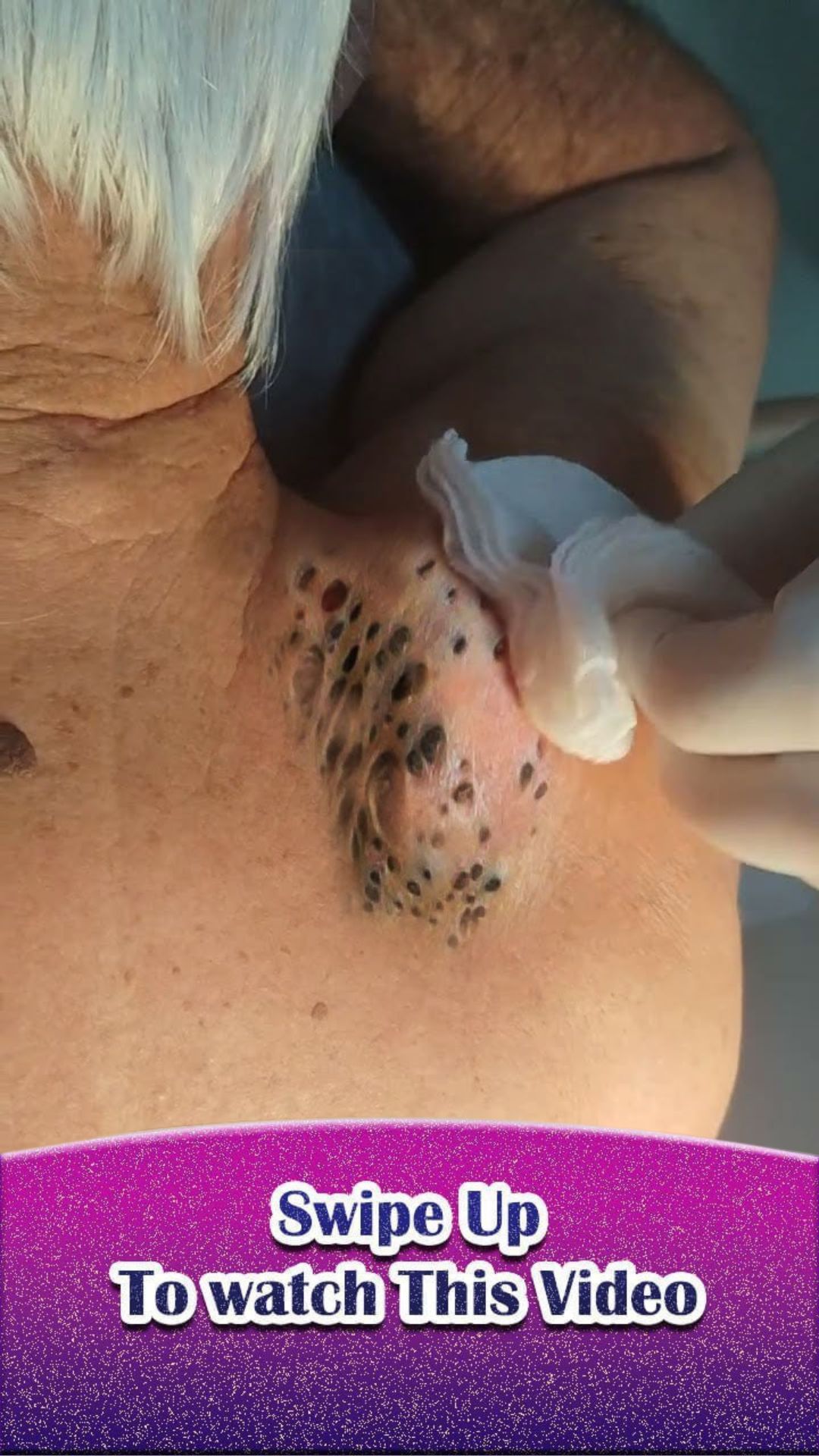
Clusters of dark, pore-like spots are often open comedones—commonly known as blackheads. However, when they appear in dense patches or unusual locations (like the neck, back, or shoulders), they may be linked to conditions such as:
- Dilated pore clusters
- Favre-Racouchot syndrome (often associated with sun damage)
- Severe acne or comedonal acne
- Epidermoid cyst formations
These aren’t always your typical blackheads—they can be deeper, more stubborn, and sometimes connected to skin aging or long-term damage.
What Causes This Condition?
1. Excess Oil Production
When your skin produces too much sebum (oil), it mixes with dead skin cells and clogs pores. Over time, exposure to air oxidizes the plug, turning it black.
2. Sun Damage
Chronic sun exposure thickens the skin and enlarges pores, especially in older adults. This can lead to clusters of blackheads that are difficult to remove.
3. Aging Skin
As skin loses elasticity, pores stretch and become more visible. This makes it easier for debris to accumulate and form persistent plugs.
4. Poor Skincare Habits
Skipping proper cleansing or using pore-clogging products can worsen buildup over time.
5. Environmental Factors
Pollution, sweat, and dirt can all contribute to clogged pores—especially in areas like the neck and upper back.
Common Symptoms to Watch For
- Dense clusters of dark or black spots
- Enlarged or stretched pores
- Rough or uneven skin texture
- Occasional redness or swelling
- Hard, stubborn plugs that don’t clear easily
If these spots become painful, inflamed, or rapidly change in appearance, it’s important to get them checked by a professional.
Is It Safe to Remove Them?
This is where many people go wrong.
While it’s tempting to squeeze or extract these spots, improper removal can lead to:
- Skin damage
- Scarring
- Infection
- Worsening inflammation
Professional extraction by a dermatologist or trained specialist is always the safest option—especially for deep or clustered comedones.
Effective Treatment Options
🧴 Topical Treatments
- Retinoids (help unclog pores and improve skin turnover)
- Salicylic acid (penetrates deep into pores)
- Benzoyl peroxide (reduces bacteria and inflammation)
🧑⚕️ Professional Procedures
- Manual extraction under sterile conditions
- Chemical peels
- Laser or light therapy
- Microdermabrasion
🌿 Lifestyle Adjustments
- Cleanse skin daily with gentle products
- Avoid heavy, pore-clogging creams
- Wear sunscreen to prevent further damage
- Stay hydrated and maintain a balanced diet
Prevention Tips: Keep Your Skin Clear Long-Term
Consistency is key when it comes to preventing these stubborn skin issues:
- Wash your skin after sweating
- Exfoliate regularly (but gently)
- Use non-comedogenic skincare products
- Protect your skin from excessive sun exposure
- Schedule occasional professional skin cleanings
When Should You See a Doctor?
You should seek medical advice if:
- The spots rapidly increase in size or number
- There is pain, bleeding, or infection
- Home treatments aren’t working
- The area becomes swollen or irritated
A dermatologist can provide a proper diagnosis and recommend targeted treatment.
Final Thoughts: Don’t Ignore What Your Skin Is Telling You
Those small black dots might seem harmless, but when they appear in clusters or become persistent, they deserve attention. With the right care—and avoiding the urge to aggressively remove them—you can protect your skin from long-term damage and keep it healthy.
Taking action early is always better than dealing with complications later.
About The Author