When Something Feels Off… Don’t Ignore It
It often starts subtly—maybe a slight itch, a bit of discomfort, or a strange feeling deep inside the ear. Then one day, you notice something unusual: small clustered bumps, rough textures, or dark spots that weren’t there before. It’s easy to dismiss it as harmless, but changes like these can signal underlying skin or health conditions that deserve attention.
Let’s break down what might be happening, why it occurs, and—most importantly—what you can do about it.
What Could These Bumps Be?
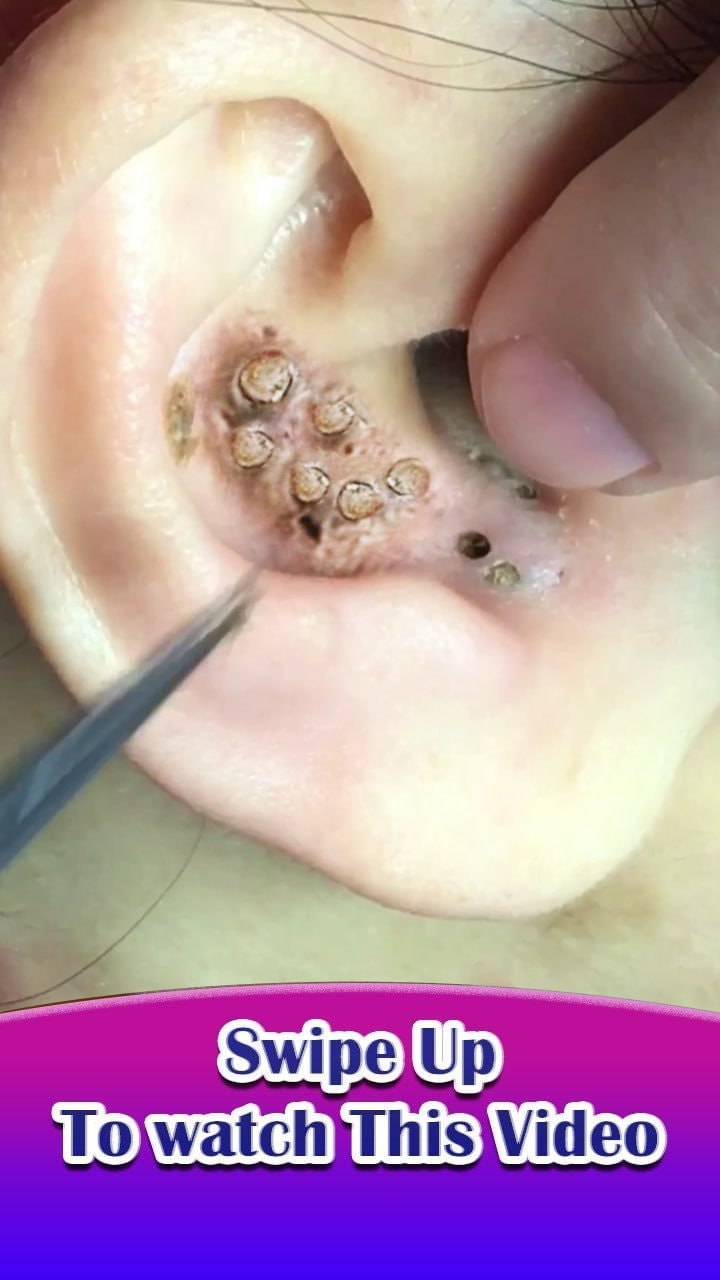
Clusters of rough, raised, or hardened bumps inside or around the ear are commonly linked to skin-related conditions. Some possibilities include:
1. Warts (Caused by HPV)
Warts can develop in moist areas and may appear as small, cauliflower-like growths. They’re caused by the human papillomavirus (HPV) and can spread through touch or minor skin breaks.
2. Seborrheic Keratosis or Skin Growths
These are non-cancerous growths that can look waxy, rough, or wart-like. They’re more common with age.
3. Blackheads and Severe Comedones
When oil and dead skin clog pores, blackheads can form—even inside the ear. In more severe cases, they can cluster and harden.
4. Infections or Chronic Irritation
Repeated irritation (like aggressive cleaning with cotton swabs or tools) can inflame the skin, leading to abnormal growths or lesions.
Common Symptoms to Watch For
Even if the bumps don’t hurt initially, your body may still be sending warning signals:
- Rough, uneven skin texture
- Small clustered bumps or circular growths
- Dark spots or hardened plugs
- Mild itching or irritation
- Occasional pain or sensitivity
- Bleeding if scratched or picked
If any of these worsen or persist, it’s time to take them seriously.
What Causes These Ear Issues?
🦠 Viral Infections
Certain viruses—especially HPV—can trigger wart-like growths in unexpected places.
🧴 Poor Ear Hygiene (or Over-Cleaning!)
Ironically, both neglect and excessive cleaning can cause problems. The ear is self-cleaning, and aggressive habits can damage the skin.
🧬 Skin Conditions
Conditions like eczema or keratosis can affect the ear canal and outer ear.
💧 Moisture & Environment
Warm, damp environments (like after swimming or sweating) can create the perfect breeding ground for bacteria and fungi.
Prevention: Keep Your Ears Healthy
Taking care of your ears doesn’t require complicated routines—just smart habits:
- Avoid inserting objects (like cotton swabs or metal tools) into the ear
- Keep ears dry after bathing or swimming
- Maintain general skin hygiene
- Don’t pick or scratch unusual growths
- Use clean earbuds and headphones
Treatment Options: What Actually Works?
🩺 Medical Evaluation Comes First
Before trying anything at home, it’s essential to get a proper diagnosis from a healthcare professional—especially for unusual growths.
💊 Topical Treatments
Doctors may prescribe medicated creams or solutions to treat warts or skin conditions.
❄️ Cryotherapy (Freezing Treatment)
A common method for removing warts safely.
🔬 Minor Procedures
In some cases, growths may need to be removed using specialized tools in a sterile environment.
🚫 What NOT to Do
Avoid attempting to remove or pop these bumps yourself. This can lead to infection, scarring, or worsening of the condition.
When Should You See a Doctor?
Don’t wait too long if you notice:
- Rapid growth or spreading
- Pain, bleeding, or discharge
- Hearing changes
- Persistent bumps that don’t go away
Early care can prevent complications and make treatment much easier.
Conclusion: Listen to What Your Body Is Telling You
Unusual changes in your ear—no matter how small—deserve attention. While many conditions are harmless and treatable, ignoring them can lead to bigger problems down the line. Stay observant, avoid risky habits, and don’t hesitate to seek professional advice.
Your ears do a lot for you—taking care of them is the least you can do in return.
About The Author